
Red Door Yellow Door is more than a typical sleepover game; it’s a psychological ritual that explores the depths of the subconscious.
Often shared through social media and urban legend sites, this game combines elements of guided meditation, suggestion, and suspense.
While it may seem harmless, many believe it opens doors both metaphorical and mystical that shouldn’t be taken lightly. Understanding how to play safely is essential before attempting this eerie and intriguing experience.
What is Red Door Yellow Door and Why is it So Popular?
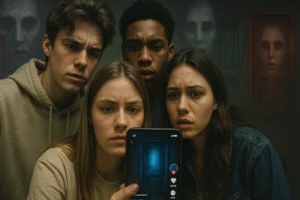
Red Door Yellow Door is a psychological and horror-themed ritual game where one participant enters a trance under the guidance of another.
The game involves visualising a hallway lined with coloured doors. Each door leads to a different scene or experience, often drawing on the player’s subconscious fears and memories.
The player, often referred to as the subject, is encouraged to describe what they see behind each door while the guide asks questions and helps navigate.
Its popularity has skyrocketed due to its presence on social media platforms such as TikTok and YouTube.
These platforms have amplified the game’s mystique by showcasing eerie encounters and unexplained experiences.
Unlike many typical party games, this one encourages a deep dive into the player’s mind, blurring the line between guided meditation and paranormal exploration.
Many who try it report unusual experiences, such as visions of shadowy figures, infinite hallways, or rooms filled with unsettling symbols.
While some treat the game as a fun psychological experiment, others regard it as a genuine portal to the subconscious or spiritual realms.
Where Did Red Door Yellow Door Originate?
The game’s origins are not definitively known but are widely believed to have emerged through online forums and urban legend communities.
It gradually became a favourite among horror enthusiasts and sleepover games. Over time, it developed an identity similar to classic supernatural games like Bloody Mary or The Midnight Game.
Some believe the game borrows techniques from hypnotic induction and guided meditation. The rhythmic chant, quiet environment, and closed-eye visualisation mirror steps used in trance work.
Others think it draws from occult practices due to the presence of mysterious elements like shadow figures and symbolism-rich doors.
Regardless of its exact origins, it has been shared widely through platforms such as Reddit, YouTube, and horror-focused blogs.
Stories of disturbing experiences helped cement its status as an internet-age legend and a must-try among thrill-seeking teenagers and paranormal explorers.
Is Red Door Yellow Door Safe to Play?
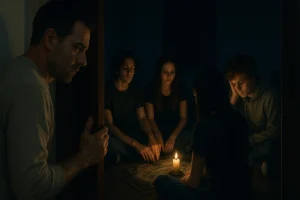
Safety is one of the most debated aspects of this game. While some claim it’s a harmless mental exploration similar to lucid dreaming or meditation, others caution that the game can have lasting psychological effects.
Because it involves entering a highly suggestible and introspective state, players may encounter unsettling images or feelings that are hard to shake.
Psychological concerns include:
- Panic or anxiety attacks triggered by disturbing imagery
- Difficulty returning to a normal state after intense sessions
- Nightmares or lingering unease after gameplay
There are also warnings from spiritual perspectives. Some players believe the game may inadvertently open a portal to unknown realms or attract unwanted entities.
This belief is strengthened by recurring imagery reported by multiple players, such as the Top Hat Man and black doors.
A safe experience requires:
- A calm, quiet environment free of interruptions
- A trustworthy and attentive guide
- Clear agreement between players to end the game at any sign of distress
What are the Rules of Red Door Yellow Door?
Red Door Yellow Door is structured with specific roles and responsibilities. A minimum of two people is required: one to enter the trance and another to guide them.
Here’s a summary of the essential rules and setup components:
| Component | Description |
| Players | One subject (player) and one guide (facilitator) |
| Environment | Dark, silent room without distractions |
| Starting position | Subject lies down with arms raised, head resting on a pillow |
| Guide’s role | Massage temples, chant, ask guiding questions |
| Chant phrase | “Red door, yellow door, any other colour door” |
| Game signal | Arms drop to indicate trance state has begun |
| Ending condition | Subject returns via hallway or guide ends session verbally |
The game should never be played in a chaotic or unsafe environment. The guide must remain alert and focused throughout the session, ready to intervene if the subject shows signs of fear, silence, or detachment.
How to Play Red Door Yellow Door?
Red Door Yellow Door is a ritualistic game of the mind that blends psychological induction, trance techniques, and guided storytelling.
It relies on the cooperation between two roles: the subject, who enters the trance and explores their subconscious, and the guide, who facilitates the journey and ensures the subject’s safety.
Although the concept is straightforward, the experience can become intense and unpredictable, making proper setup and guidance essential.
Game Setup
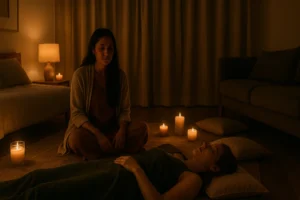
The setup stage is crucial to the success and safety of the session. Both participants must be mentally prepared, physically comfortable, and aware of their roles and boundaries.
Step 1: Create a Safe, Controlled Environment
Select a dark or dimly lit room where external noises and interruptions are unlikely. The atmosphere should feel calm and undisturbed.
Turn off phones and eliminate distractions such as background music or flashing lights. The quieter the room, the more effective the trance state will be.
The subject should lie flat on the floor or a soft surface with a pillow supporting their head. Their arms should be raised straight above their body, fingers relaxed.
This position helps initiate physical awareness of the trance state. The guide sits behind the subject’s head, cross-legged and focused.
Step 2: Establish Ground Rules and Consent
Before beginning, both players should discuss what to expect and agree on the signals for distress or ending the game.
This includes knowing what to do if the subject becomes nonverbal, scared, or emotionally overwhelmed.
Establishing verbal cues, like a stop word or simple phrases such as “I want to wake up,” can be helpful in ensuring safety.
Inducing the Trance
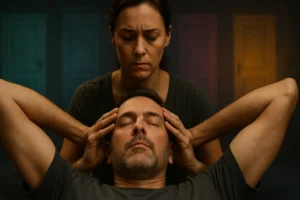
Trance induction is the heart of the game. It requires rhythm, repetition, and calm concentration from both participants.
The guide plays a key role in maintaining the pace and tone of the chant while observing the subject closely.
Step 3: Begin the Chant and Physical Stimulation
The guide gently massages the subject’s temples while repeatedly chanting the phrase:
“Red door, yellow door, any other colour door.”
This phrase must be spoken in a calm, monotonous tone. The goal is to lull the subject into a relaxed state of consciousness where visualisation becomes more vivid and subconscious access begins.
The chant is repeated continuously for a few minutes. The subject may begin to feel detached or experience light visuals.
Once they feel mentally transported to the imagined hallway of doors, they will lower their arms to the floor. This is the sign that the trance has taken effect, and the game may proceed.
Navigating the Mind
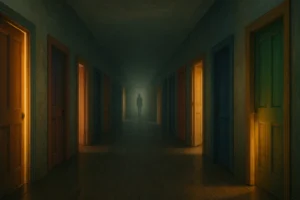
This is the exploration phase, where the subject describes the rooms, doors, and entities they encounter.
The guide must remain neutral but attentive, allowing the subject to freely describe their journey while steering them away from potential psychological dangers.
Step 4: Enter the Hallway of Doors
The subject is asked to describe a long hallway lined with doors of various colours. Each door symbolises a different area of their subconscious. The guide may prompt the subject with questions such as:
- What colour doors do you see?
- Is there a particular door you feel drawn to?
- What do you feel when you approach it?
- Would you like to open it?
The subject chooses a door and mentally opens it. They must then describe the room, presence, or landscape inside.
These visions can range from peaceful gardens to disturbing or surreal environments. The guide continues to ask calm, open-ended questions without inserting their own suggestions.
Step 5: Handle Unusual or Dangerous Symbols
Players often report encountering recurring symbols that are seen as warning signs. The guide must take immediate action if any of the following are mentioned:
- Mirrors: Can lead to feelings of being trapped or disoriented
- Staircases: May cause the subject to feel they are falling or descending uncontrollably
- Clocks or Clock Rooms: Often represent time loops or entrapment
- Dark figures or men in suits (Top Hat Man): Widely regarded as dangerous presences
The guide should calmly instruct the subject to leave any threatening or unclear area immediately and return to the hallway.
Winning or Ending the Game
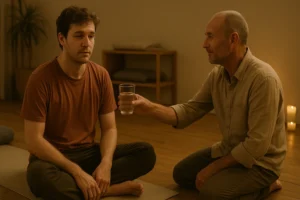
Unlike most games, there is no traditional “winning” in Red Door Yellow Door. The goal is to explore safely and exit the trance unharmed, ideally with some new personal insight or an eerie tale to tell.
Step 6: Exit the Hallway and Return
When it’s time to end the session, either by choice or due to discomfort, the guide must help the subject return to the mental hallway. From there, the subject imagines walking back towards the beginning, away from the doors.
The guide may softly count backward from 10 or use comforting phrases to guide them back to awareness.
Once the subject opens their eyes, they should remain lying down for a moment to regain orientation.
Step 7: Aftercare and Grounding
After the game, it’s recommended that both players talk about the experience. The subject can describe what they saw and how it made them feel. This conversation acts as a mental debrief and helps prevent lingering unease.
Suggestions for post-session grounding:
- Drink water
- Sit quietly for a few minutes
- Journal the experience
- Avoid jumping into high-stimulation activities immediately
Are There Any Variations of Red Door Yellow Door?
Although Red Door Yellow Door follows a generally standard format, many variations and additions have emerged over time.
These variations are shaped by cultural beliefs, personal interpretations, and evolving urban legends.
Players often experience recurring archetypes and symbols regardless of geography or background, which adds to the intrigue of the game.
Alternate Names and Rituals
The game is also known by several other names, which may include slight rule changes or different chants:
- Black Door White Door: A common alternative name with nearly identical gameplay
- Doors of the Mind: A version that places more emphasis on psychological introspection
- Mind Hallway Game: A looser version used in amateur hypnotherapy or meditation circles
Despite the name differences, the game mechanics remain consistent: a trance, a guide, and a mental landscape filled with doors representing the unknown.
Common Variations in Experience
Players across the world have reported shared experiences during the game. These variations aren’t rule changes, but rather expected or recurring elements that many claim to encounter.
These are often treated as lore within online communities and passed between players as cautionary advice.
| Encounter/Variation | Description and Meaning |
| Top Hat Man | A tall, suited figure with red eyes. Considered malevolent or a trap. |
| Clock Room | A room containing clocks. Entering may cause looping or temporal confusion. |
| Mirror Room | Said to show reflections that trap the subject or alter perception. |
| Endless Staircase | A spiral or downward staircase with no end. May cause a sense of falling. |
| Locked Doors | Often represent mental blocks or trauma the subject is not ready to face. |
These elements have no official meaning but are widely feared within the community of players. The shared nature of these experiences fuels theories that the game taps into deeper layers of the subconscious or even spiritual realms.
Customising the Chant or Setup
While the standard chant is “Red door, yellow door, any other colour door,” some players personalise it or use alternatives depending on cultural influences or intent. Variations include:
- “Enter the hallway of your mind”
- “Black door, white door, choose your fate”
- Custom chants used in group sessions or ritual circles
Players also experiment with group versions where multiple people guide one subject or where several subjects enter trances simultaneously, though these increase the risk and are not recommended for inexperienced players.
Symbols and Their Interpretations
Interpretation plays a big role in the gameplay. Many believe the colours and figures seen during the game reflect aspects of the subconscious or unresolved emotions. While meanings are subjective, some have become widely accepted.
| Symbol or Colour | Common Interpretation |
| Red Door | Intensity, danger, past trauma |
| Yellow Door | Curiosity, exploration, ambiguous emotion |
| Black Door | Unknown forces, forbidden thoughts or fear |
| White Door | Peace, clarity, often associated with safety |
| Figures/People | Represent memories, inner archetypes, or fears |
These symbols are open to personal interpretation, which adds a psychological depth to the game. For some, it becomes a tool for self-exploration, while others see it as a paranormal or metaphysical experience.
What are the Warnings and Risks of Playing Red Door Yellow Door?
While many consider the game a fun psychological challenge, it’s important to approach it with caution. Both mental and spiritual risks have been reported by participants.
Potential psychological impacts:
- Short-term panic or anxiety after the game
- Disorientation and trouble focusing
- Emotional exhaustion
Spiritual or paranormal concerns:
- Feelings of being watched or followed after the session
- Difficulty fully waking from trance states
- Disturbing dreams or sleep paralysis
Safety guidelines to consider:
- Never force anyone to play or continue
- Avoid entering rooms or doors that evoke fear
- Ensure the subject trusts the guide completely
- End the game immediately if something feels wrong
By respecting the boundaries of the experience and the emotional well-being of all participants, the risks can be significantly reduced.
Why Do People Play Red Door Yellow Door Despite the Warnings?
People are often drawn to experiences that challenge their understanding of the mind, reality, and fear.
Red Door Yellow Door provides a unique opportunity to engage with these themes through a simple yet intense ritual.
The controlled environment, combined with suggestive visualisation, creates an immersive journey that many find compelling.
Several motivations include:
- Curiosity about the subconscious
- Desire to experience something supernatural
- Peer influence and social media trends
- The thrill of fear in a safe setting
Online communities continue to fuel interest with new variations, personal stories, and video content, reinforcing the game’s place in digital folklore and paranormal gaming culture.
Conclusion
Red Door Yellow Door blurs the line between play and subconscious exploration. Whether viewed as a psychological tool or a supernatural ritual, it demands careful preparation, trusted guidance, and strong boundaries.
For those willing to explore its mental hallways, the experience can be profound or unsettling. It’s essential to respect the risks and never take the game lightly.
Always prioritise safety, communication, and emotional well-being when venturing into the unknown world of the mind.
FAQs About Red Door Yellow Door
What happens if you open a black door in Red Door Yellow Door?
Players often describe black doors as foreboding. Entering may lead to distressing visions or fear, and it’s widely advised to avoid them.
Can you play Red Door Yellow Door alone?
Solo play is strongly discouraged. Having a guide ensures safety and a way to exit the trance if problems arise.
Is Red Door Yellow Door safe for children?
No. Children are more susceptible to fear and suggestion. The game can cause lingering anxiety or nightmares.
What is the purpose of the guide in Red Door Yellow Door?
The guide keeps the subject grounded, asks questions, and helps end the game safely if distress occurs.
How long does a typical session last?
Sessions usually last between 5 to 20 minutes but can be shorter if the subject feels uncomfortable.
Is Red Door Yellow Door based on real spiritual practices?
Not directly. While it mimics trance and meditation techniques, it isn’t part of any known spiritual doctrine.
What should you do if someone gets stuck or panics during the game?
Speak calmly to the subject, guide them out of the hallway, and have them open their eyes. Offer reassurance and allow them time to recover.